
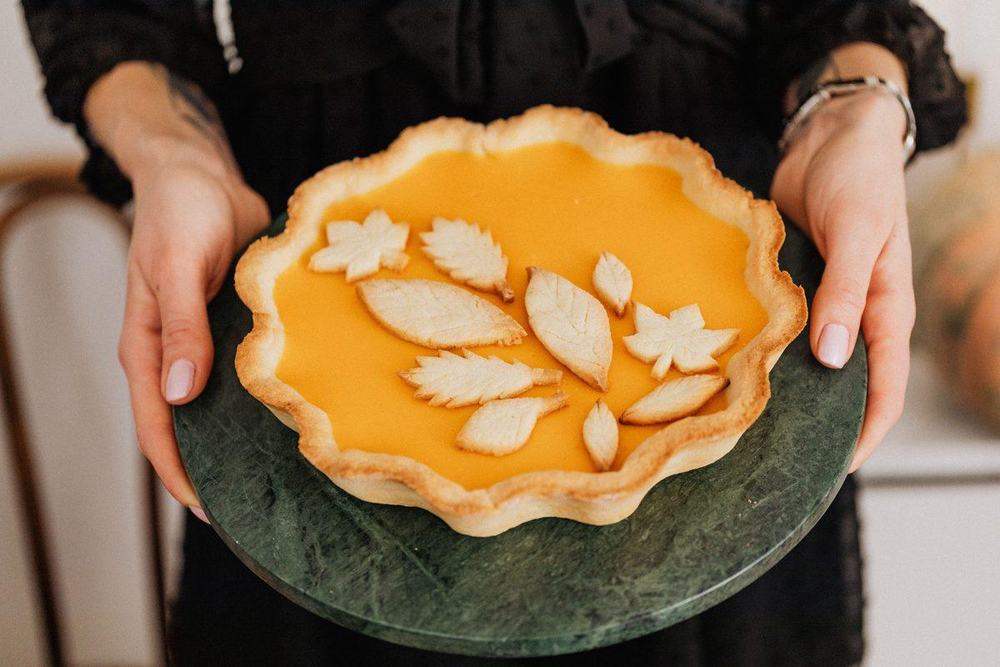
There is one smell that brings everyone into the kitchen: something baking in the oven on a cold afternoon.
A pie doesn't need to be perfect. It just needs to be shared.
1. Why Ceramic
Ceramic heats gently and evenly, so the crust bakes through without burning at the edges. It holds the warmth after baking, and it looks beautiful enough to serve right from the dish.
2. More Than Pie
Pumpkin and apple pie in autumn, quiche on a Sunday, a crumble when friends come over. On slow baking days I usually also have bread rising in the banneton.
The Baking Edit
A ceramic pie dish that bakes evenly and goes straight from the oven to the table.
Shop the Edit3. Honest Notes
Ceramic doesn't like sudden temperature changes: don't move it straight from the fridge to a hot oven. It is heavier than metal and can chip if knocked. Crusts may brown a little more slowly than in metal pans.
4. How to Choose
- A 9 to 10 inch dish suits most recipes.
- A fluted edge makes a pretty crust.
- Oven, microwave and dishwasher safe is the most practical.
- Deep dishes work for both pies and quiches.
5. Questions People Ask
Do I need to grease it? A thin layer of butter helps, especially for the first few bakes.
Can it go in the freezer? Many can, but let it come to room temperature before baking.
Some recipes are really about the people waiting for them.